


In this blog post I’ll compare similar images taken with the M.Zuiko 50-200mm f/2.8 on it’s own, with the 1.4x teleconverter and with the 2x teleconverter. All the images were taken in my local forest where you’re welcome to join me for a photography workshop in Perthshire, Scotland.
First off, the M.Zuiko 50-200mm f/2.8 is a superb lens and incredibly sharp, with an f-stop of f/2.8 it performs well in low light and is great for photographing action. You can check out my initial review of this lens with lots of sample images here!
I’ll include a couple of images taken using the lens without teleconverters so you have something to compare the other photos with.



I first tried the lens with the 1.4 teleconverter which increases the focal length from 50-200mm to 70-280mm with an f-stop of f/4, in full frame equivalent it has a zoom range of 140-560mm. At it’s furthest reach, 280mm it’s very similar to the prime M.Zuiko 300mm f/4 lens, but is it as sharp and as fast to focus?

I was very impressed with the auto-focus when using the 1.4x teleconverter, usually when pairing a zoom lens with a teleconverter the focus chases much more, but I didn’t find this to be the case with the M.Zuiko 50-200mm with the MC-14. In the image of a coal tit below, you can also see that it got focus on the bird and its eye even with distracting branches and leaves nearby.
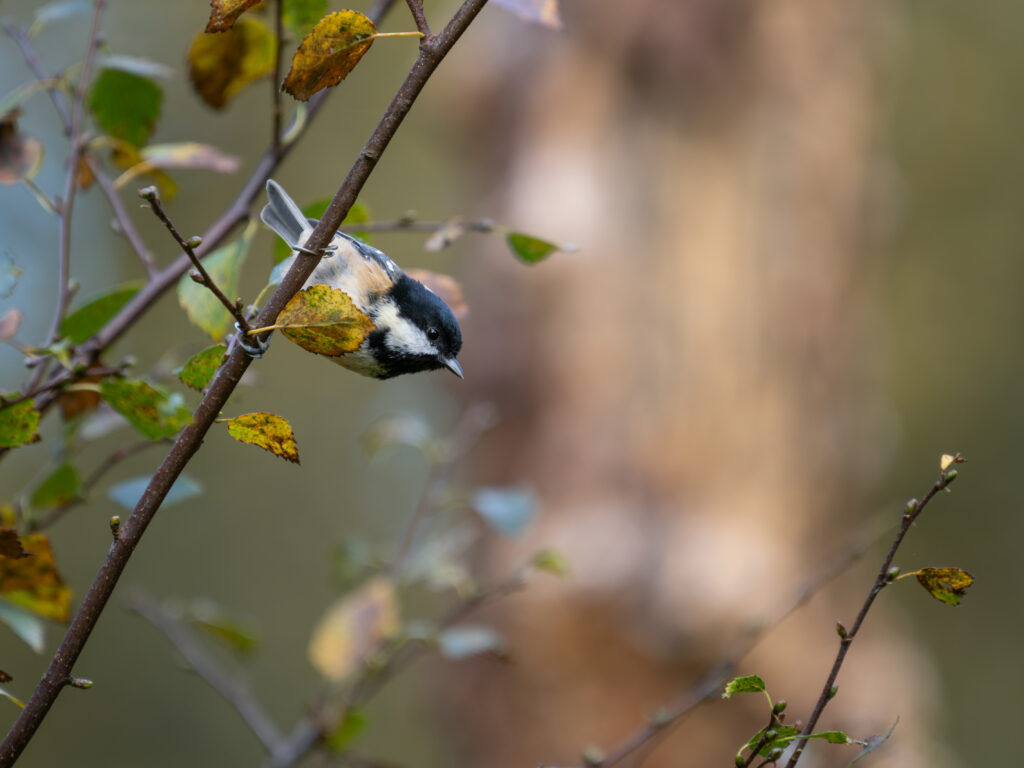



Using the M.Zuiko 50-200mm f/2.8 with the 1.4x teleconverter was a great way of getting that extra reach while still being able to use a low aperture of f/4. The autofocus was fast and responsive and the images looks sharp. When looking at images 100% in Lightroom there may be a very slight reduction in sharpness in some of the images when comparing it to only using the 50-200mm lens or the 300mm f/4 lens.
However, it’s only when zooming in very close on a couple of the images that I’m able to tell a difference, and it’s very subtle.
It’s time to try the lens with the 2x teleconverter which increases the focal length from 50-200mm to 100-400mm with an f-stop of f/5.6, in full frame equivalent it’s a 200-800mm zoom. It’s similar to the zoom M.Zuiko 100-400mm f/5-6.3 lens, but with a constant f-stop of f/5.6 throughout the zoom range.



As it may be a bit difficult to see the sharpness on these images, be sure to watch the video where I zoom in to a 100%. In many of the images using the 2x teleconverter I could see that there was a bit of softness when zooming in 100%. However, as can be seen in the chaffinch image below I also got some images that were tack sharp when using the 2x teleconverter.
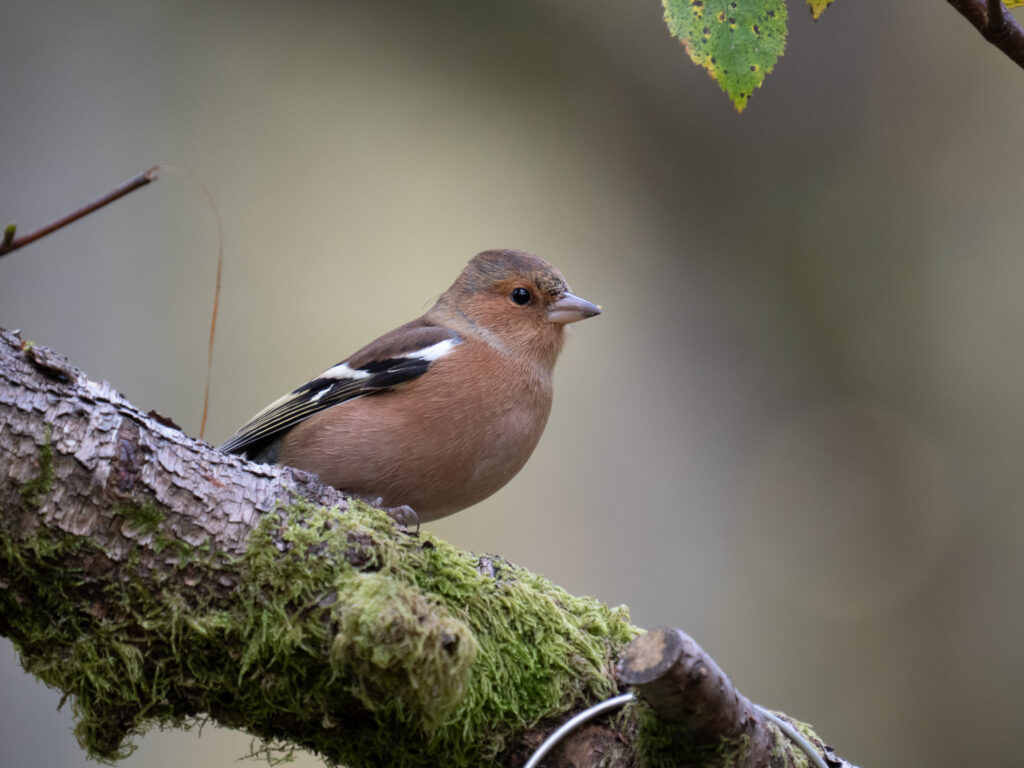
For me, it came down to consistency. The M.Zuiko 50-200mm f/2.8 lens is a superb lens and the images are tack sharp as long as you get your settings and focus right. When using the 1.4x teleconverter with the 50-200mm lens most of my images were very sharp and I couldn’t see a difference from not having used it. However, occasionally an image would look sharp on my large screen, but when zooming in 100% I could see a slight softness.
Using the 2x teleconverter with the 50-200mm lens I would get more images that had a slight softness when viewed at 100%. However, I would still get a few images using the 2x teleconverter that looked tack sharp!
If you check out the video you may also see an ever so slightly lag in the autofocus with the subject detection when using the 2x teleconverter. However, this was very subtle and overall I was extremely impressed at how responsive the C-AF with subject detection worked when using either teleconverters.
In conclusion, to get the best from this lens I will mostly be using it on it’s on with a 50-200mm zoom range and a wide open aperture at f/2.8. I would have no issues using the lens with the 1.4x and expect very good results and sharp images. I know I can also use this lens with the 2x teleconverter with good results, but expect that some of my images when viewed at 100% might have a slight softness to them.
Have you tried the M.Zuiko 50-200mm f/2.8 with the teleconverters? What has been your experience?


In the end, did you find better the 50-200 + mc20 vs the 100-400ii ? How do they compare in AF and sharpness?
Inconsistency in the MC-20 combination seems unlinked to be the equipment. Unless the fit of the converter is loose? More likely just the difficulty in capturing images at this focal length and subject distance. Any thoughts?