


The newest telephoto lens from OM System has a reach of 50-200mm or 100-400mm in full frame equivalent. Meaning, that if you photograph a bird at 200mm with this lens on an OM System body the size of the bird in the frame will look more or less the same as a photo taken with a lens at 400mm on a full frame body.
However, the depth of field will be more similar to a 400mm lens on a full frame body with an aperture of f/5.6.
The lens has internal zoom, IP53-certified weather sealing and up to 7 stops of 5-axis sync image stabilisation.
The minimum focus distance is 78 cm from the sensor and at this range it gives a magnification factor of 0.5x. It supports both 1.4x and 2x teleconverters and with the 2x teleconverter at the minimum focus distance of 78cm it gives a 1:1 magnification.
It has 4 buttons that can be assigned one quick button function or can be used to save and recall a preset focus distance.
4 Switches:
One Set button to set the focus distance preset.
The lens supports up to 50 frames per second (fps) C-AF sequential shooting (great for Pro Capture SH2)
The lens comes with a lens hood and a soft pouch for the lens.
Learn more about the lens on the OM System Website.
The M.Zuiko 50-200mm f/2.8 is a fast lens, which makes it ideal for photographing fast action. I have often reached for my 300mm f/4 when I photograph using Pro Capture and occasionally I’ve used the 40-150mm f/2.8 for Pro Capture. However, 150mm or 300mm full frame equivalent (ffe) is a bit short and it means I have to be really close.
The new lens has an extra 100mm (ffe) and that makes a big difference. The thing about using Pro Capture is that you need to leave a bit of space in the frame for the bird to fly into anyways, so 200mm (400mm) is a very good focal length to use. The low aperture of f/2.8 mean that we can use faster shutter speed without using too high ISO, which introduces noise and can lower the quality of the images.
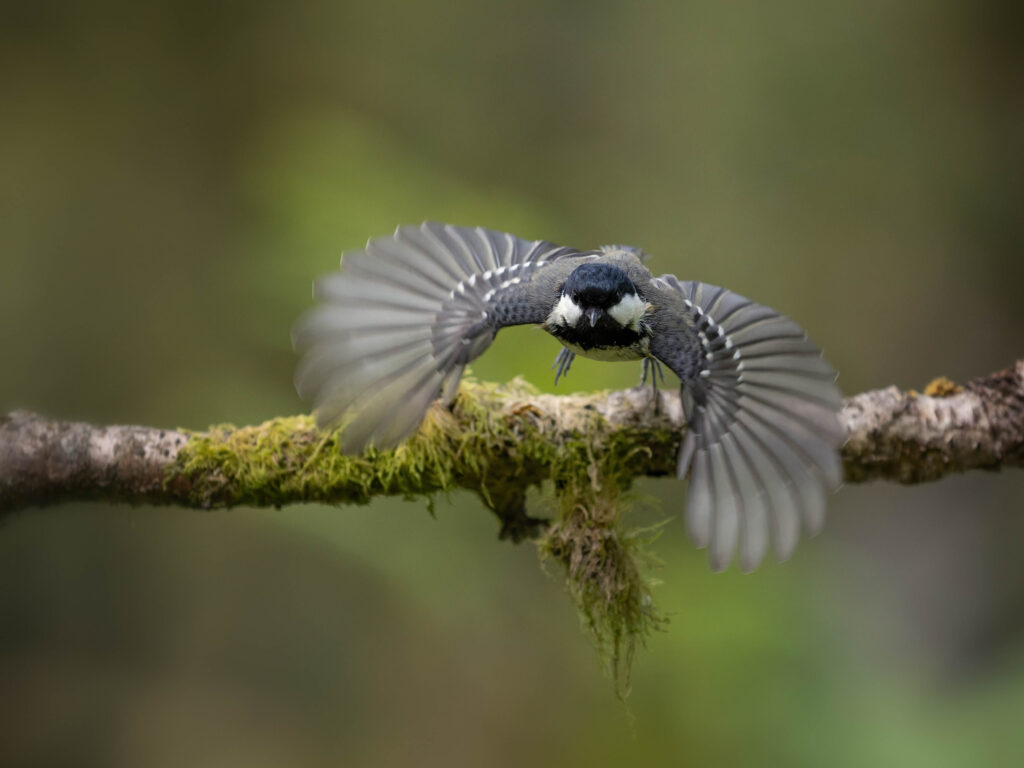
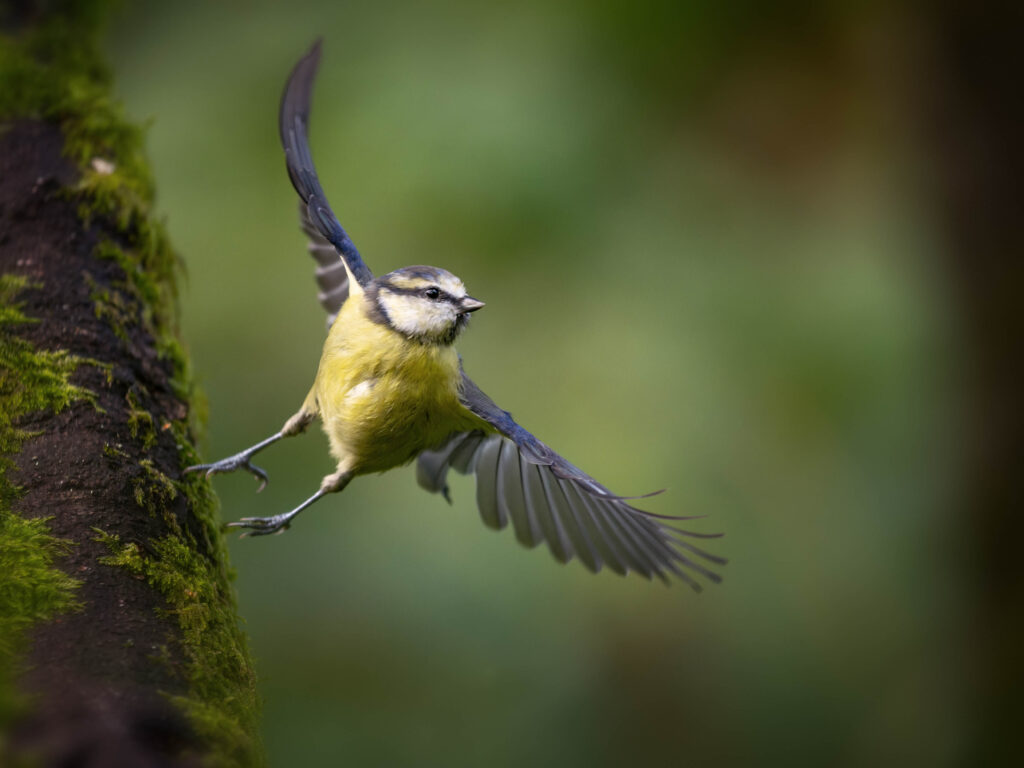
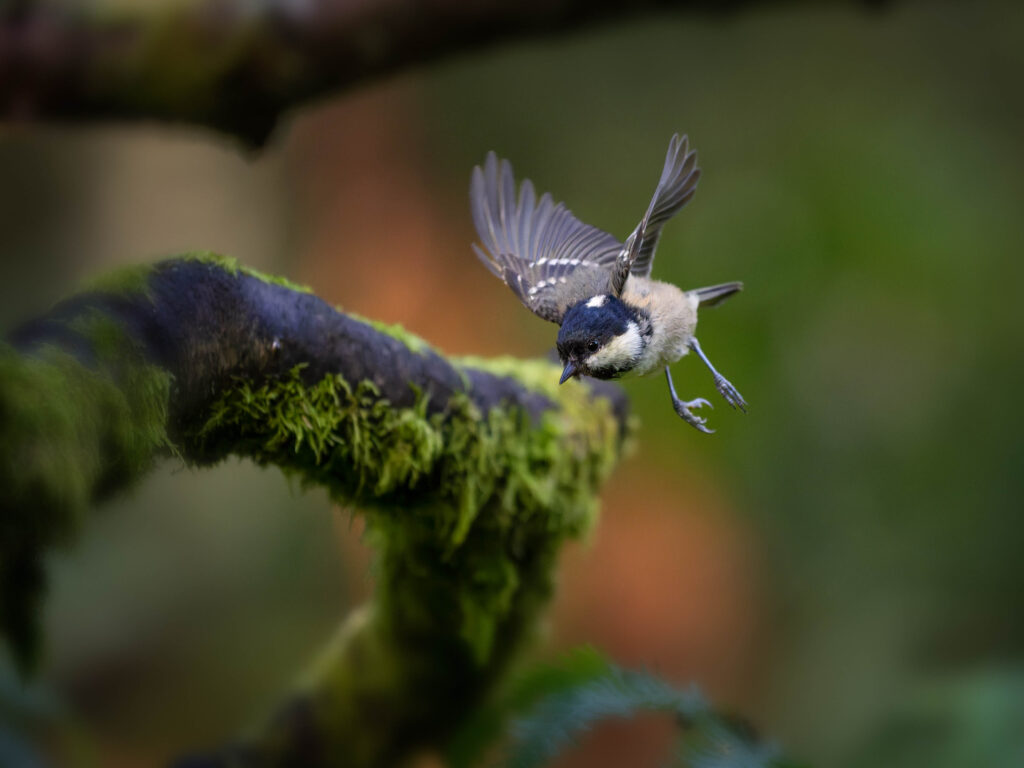
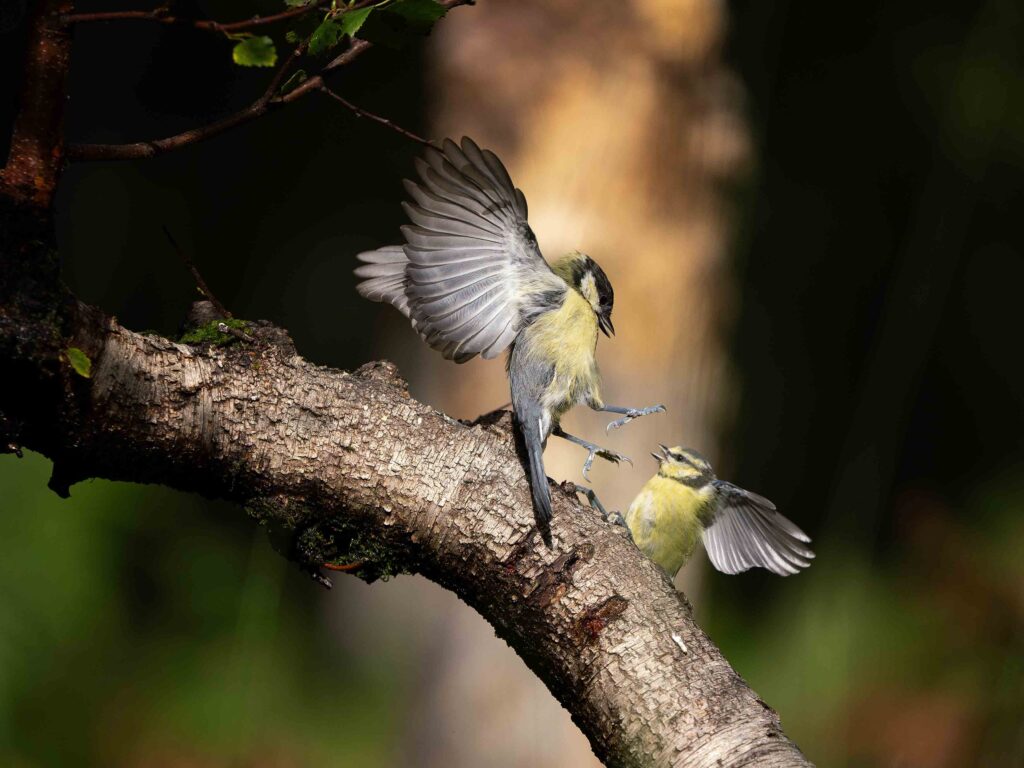
You might notice that I’m using Pro Capture High for all these images and that’s because even as good as this lens is to acquire auto focus, it’s not able to track these small fast birds in flight using Pro Capture SH2. Therefore I prefer to get 120 fps and stick to SH1.
If you want to deep dive into Pro Capture and how I use it for various situations, you can check out my course: Pro Capture for Wildlife Photography.
Few birds are as fast as the hirundines, that’s the swallows, house martins and sand martins. So on a humid day when the swallows fly low to catch insects in flight I went into the farm field to try to photograph these incredibly fast birds.
The M.Zuiko 50-200mm f/2.8 is ideal for this type of photography, 400mm (ffe) range, fast aperture of f/2.8 and a fast and really good bird subject detection auto focus. Even with all these incredible tools, it’s still a challenge to photograph swallows in flight!
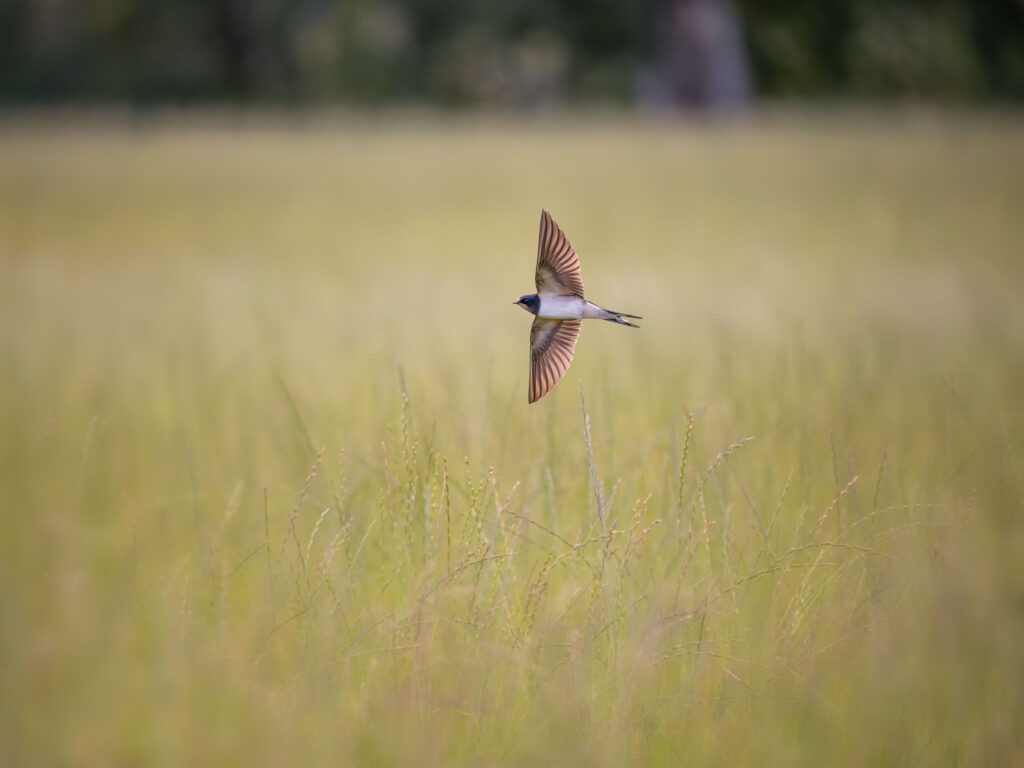
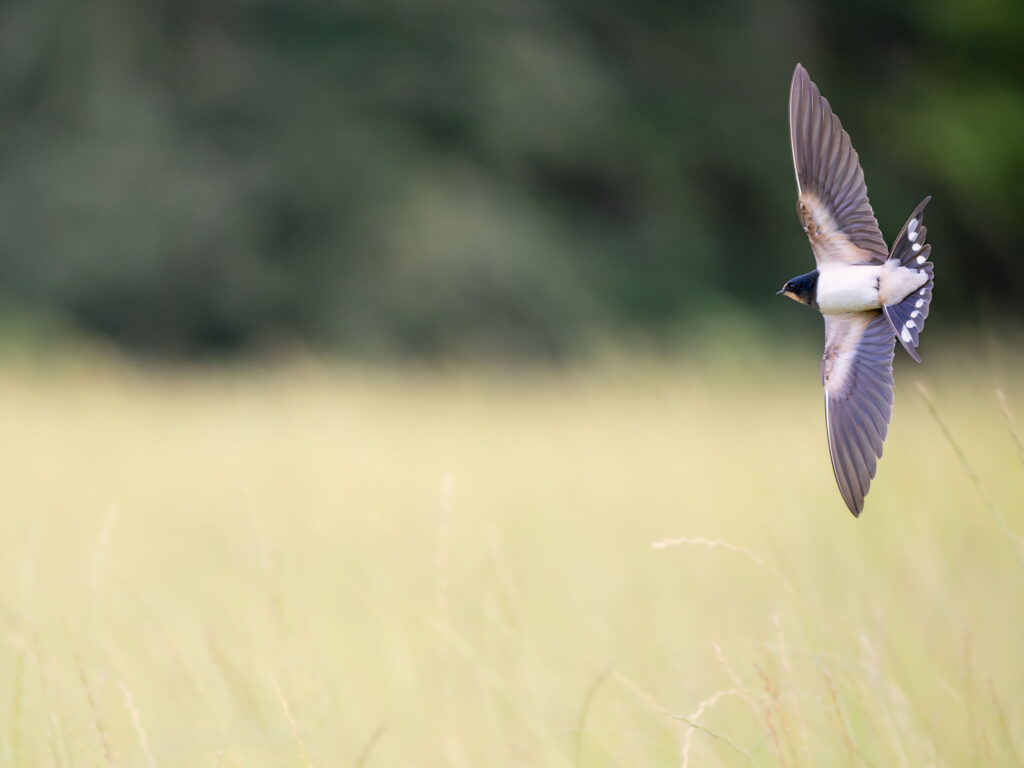
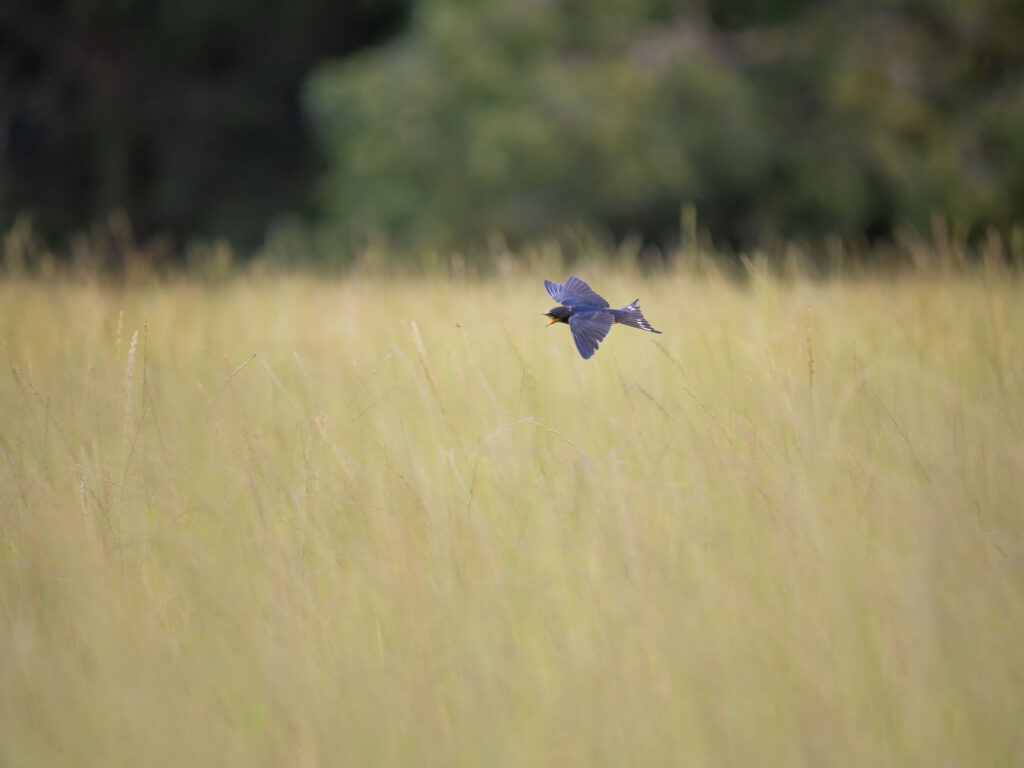
The M.Zuiko 50-200mm f/2.8 has a great zoom range to photograph subject small in the frame, if it’s a larger mammal a 50mm (100mm) will usually do the trick and for small birds the furthest reach of the lens will likely be ideal unless you’re right up in the action.
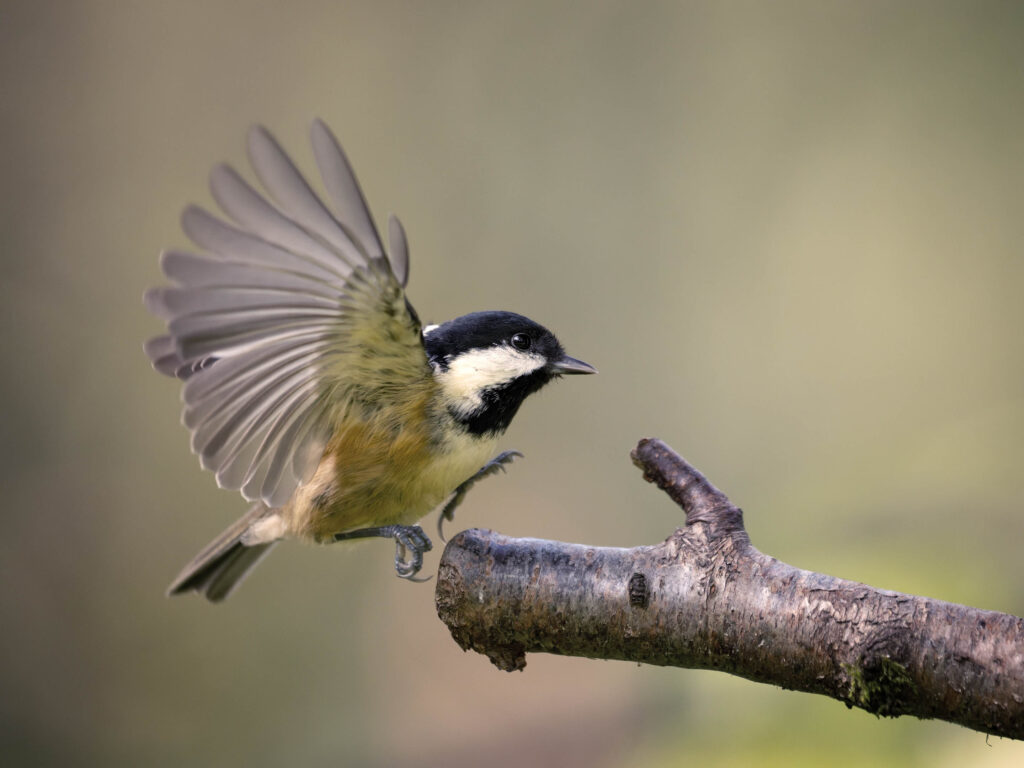
The aperture of f/2.8 mean that we get a shallow depth of field which helps to blur other distracting elements in the frame, which is often essential for a small in frame image to work. I was quite close when photographing the great tit in the image below so I actually zoomed back to 157mm to include the two apples at the bottom of the frame, which I thought were an important part of the composition.

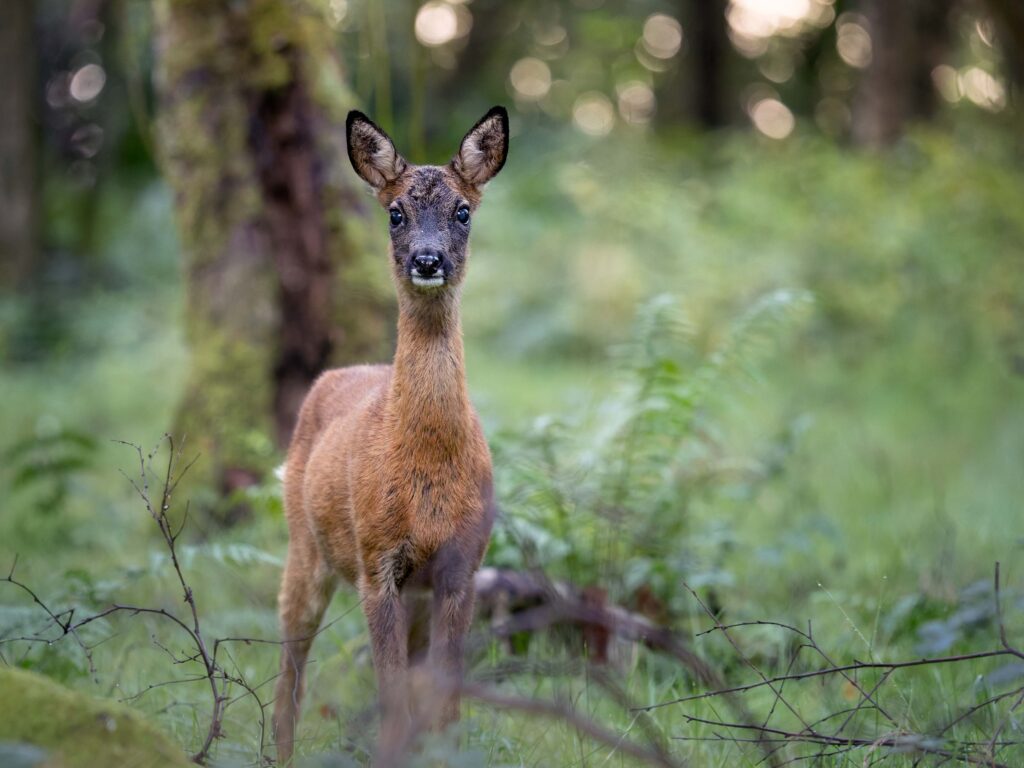
I first got the 40-150mm f/2.8 in 2021 and I’ve tried to use it as often as I can. A time when I have often relied on it is when photographing large mammals. Now, a roe deer isn’t that large and I find it extra helpful to now have an extra 50mm (100mm) to photograph mammals at f/2.8.
I got the image below when I was out before sunrise to look for deer in my forest. I came across two young roe deer and managed to successfully move in close without being discovered. Being in a dark forest just as the the sun was rising meant that it was all but essential to have a fast lens of f/2.8, and even then I was using an ISO of 3200 and a slow shutter speed.
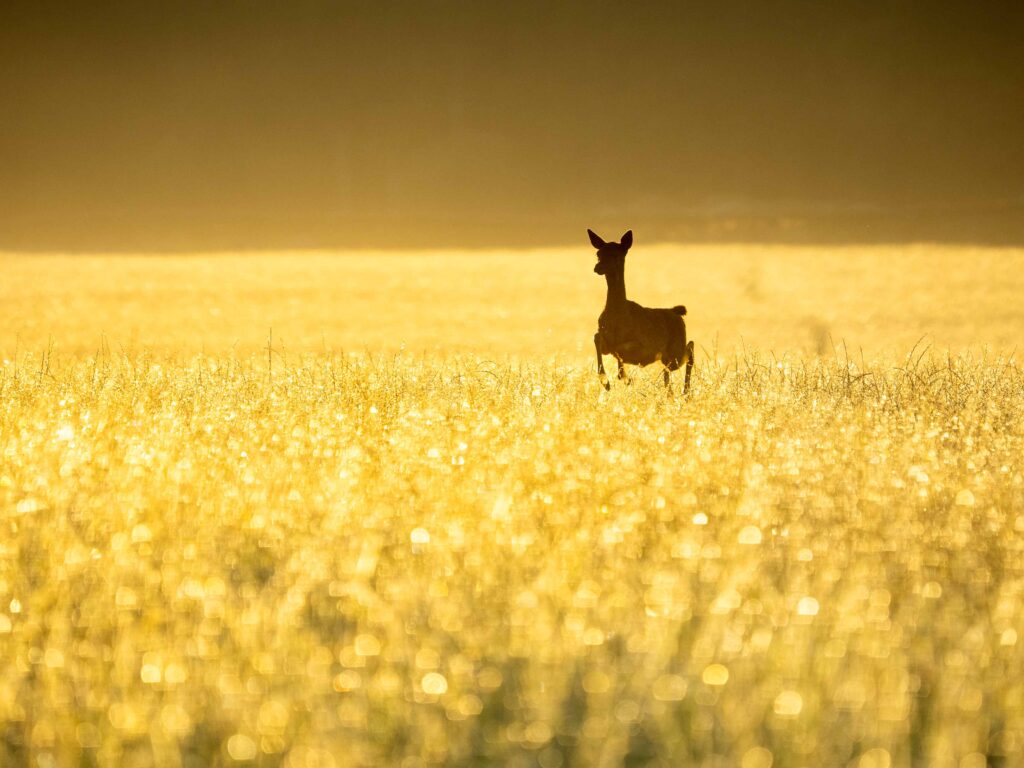
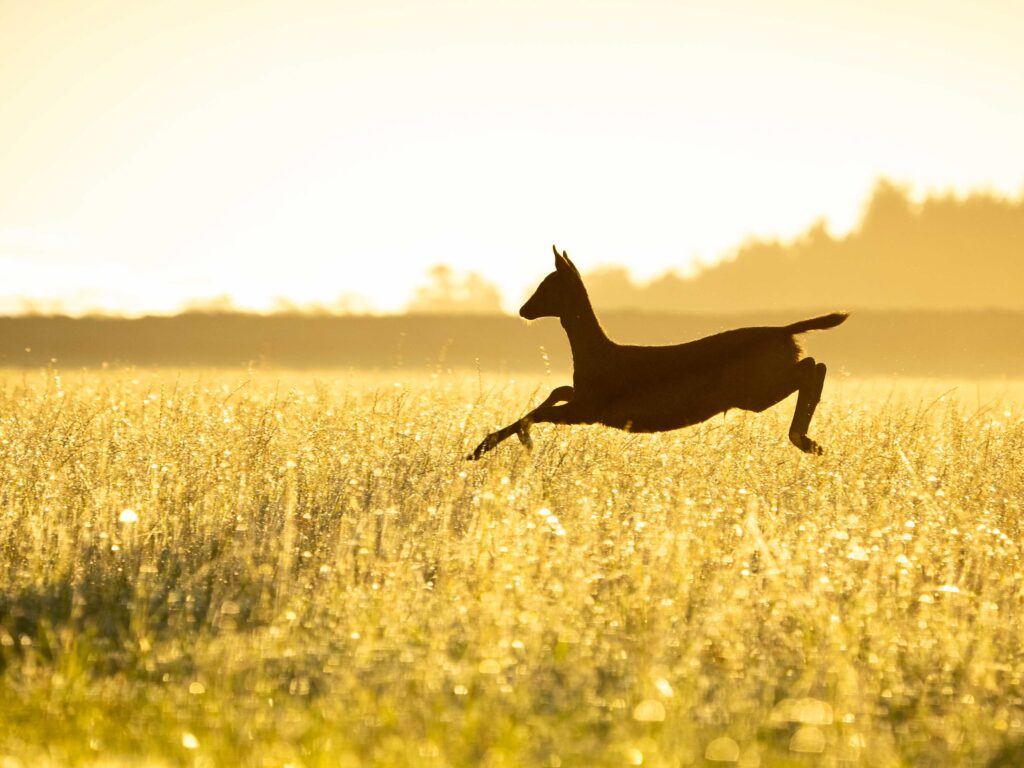
Right after the encounter with the roe deer in the forest I made my way to a nearby farm field as the beautiful golden light was streaming through. At the far end of the field I spot two deer, I think fallow deer, running towards me. I couldn’t believe my luck!
Quickly changing my settings to a low ISO and fast shutter speed I captured several backlit images as they were running and jumping through the field.
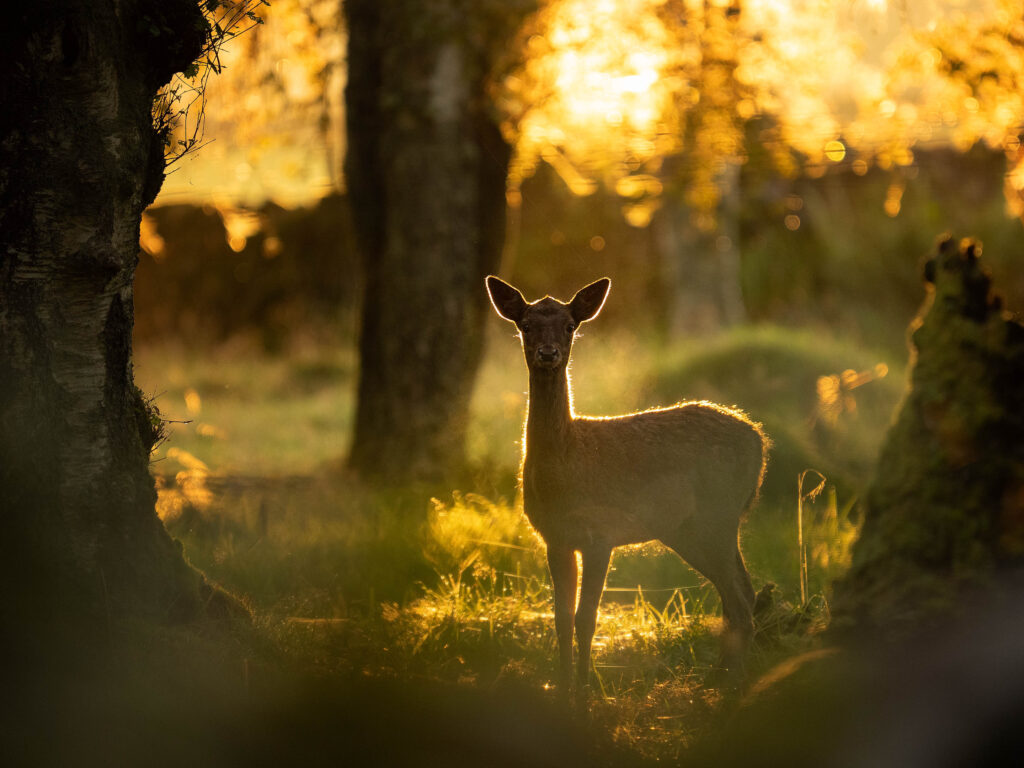
As I was out filming and telling the story of capturing the deer from the previous morning I got fortunate and got close to a fallow deer in the forest lit up in some extraordinary backlight.
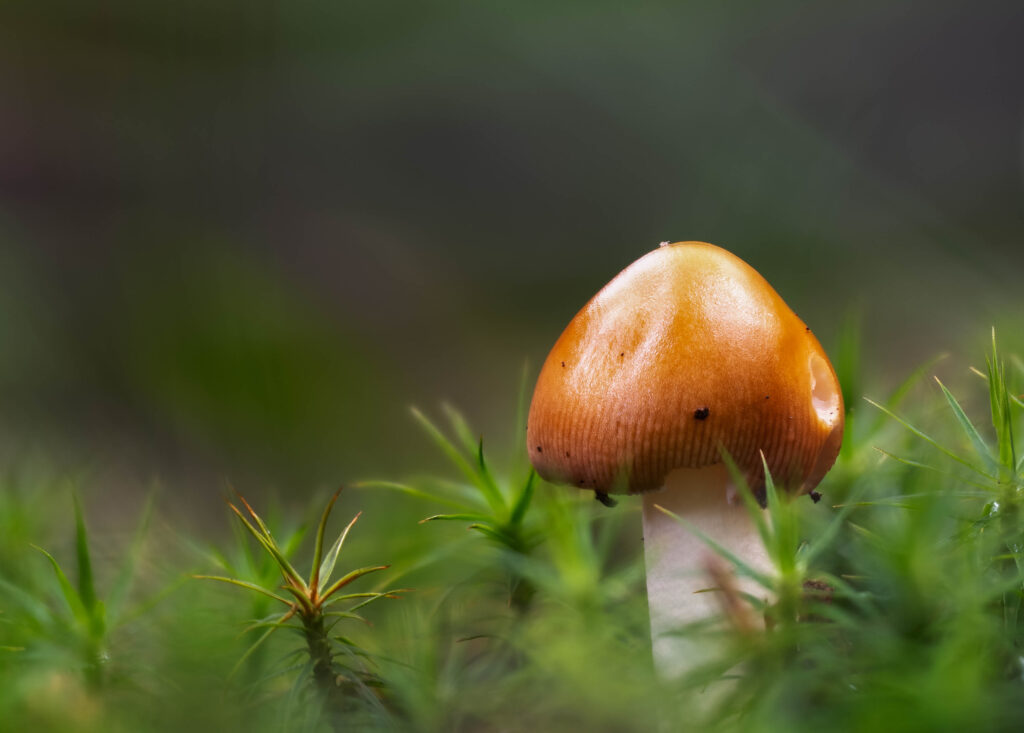
A minimum focus distance of 78cm and gives a magnification of 0.5x is great to use for small creatures, fungi and plants. Coupled with the 2x teleconverter a magnification of 1:1 at the minimum focus distance!
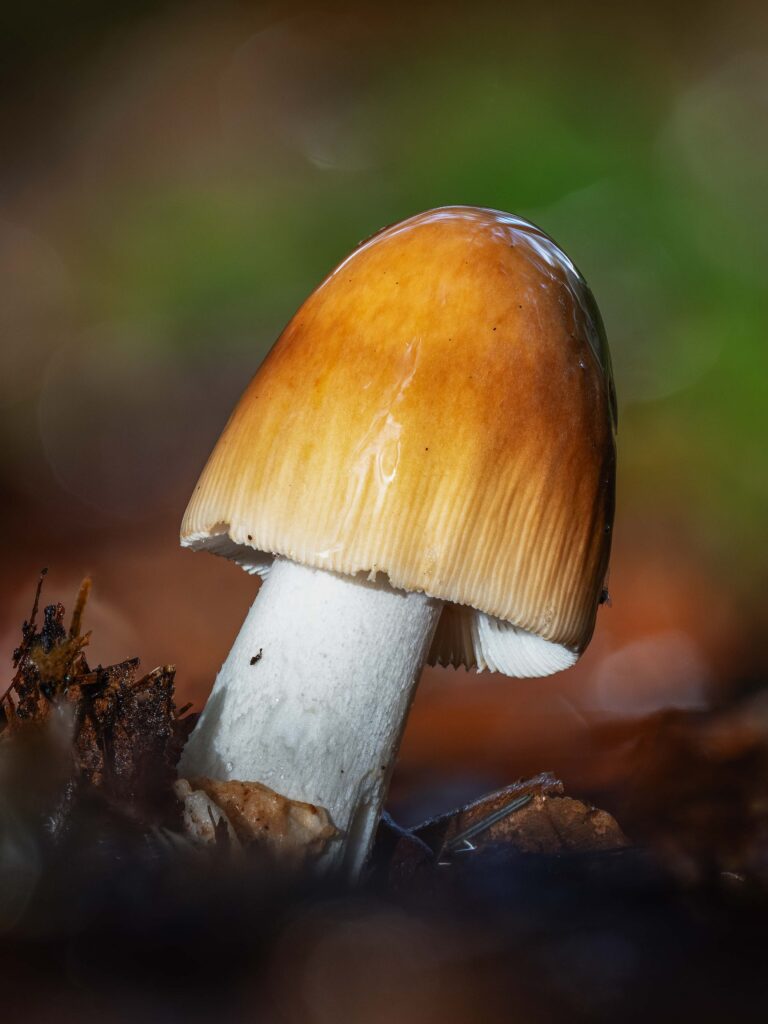
I’ve tried the lens a on a few mushrooms as they are popping up all over the place around me. For the image below I used focus stacking on my OM-1 and used a total of 60 images that I stacked with Helicon Focus.
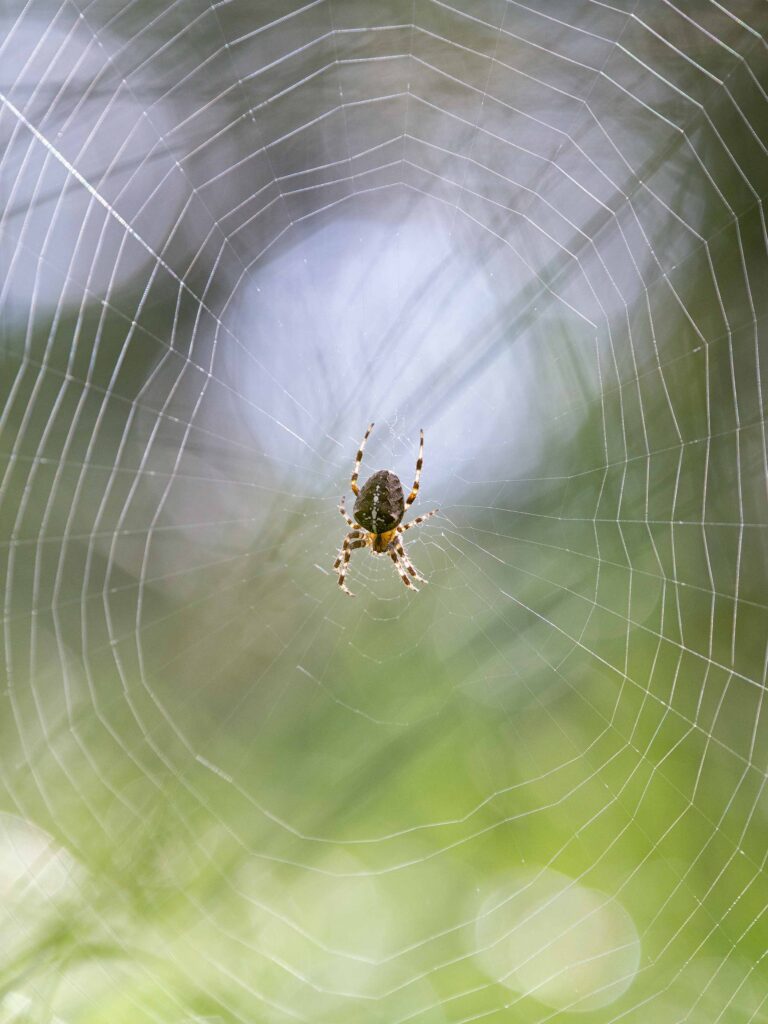
For the image of a spider below I could have focused all the way in at 200mm, but I preferred a composition that showed off more of the web. I also really liked how the background bokeh came out in this one.
When you get close to your subject the bokeh, or out of focus blur on the 50-200mm is really something special. Outside my house I have what looks like a type of larch tree and early one morning I brought one of my garden bird feeders over to it to see if the birds would follow. It didn’t take long until they found the feeder and I could stand fairly close to photograph them as they had plenty of cover in the tree.
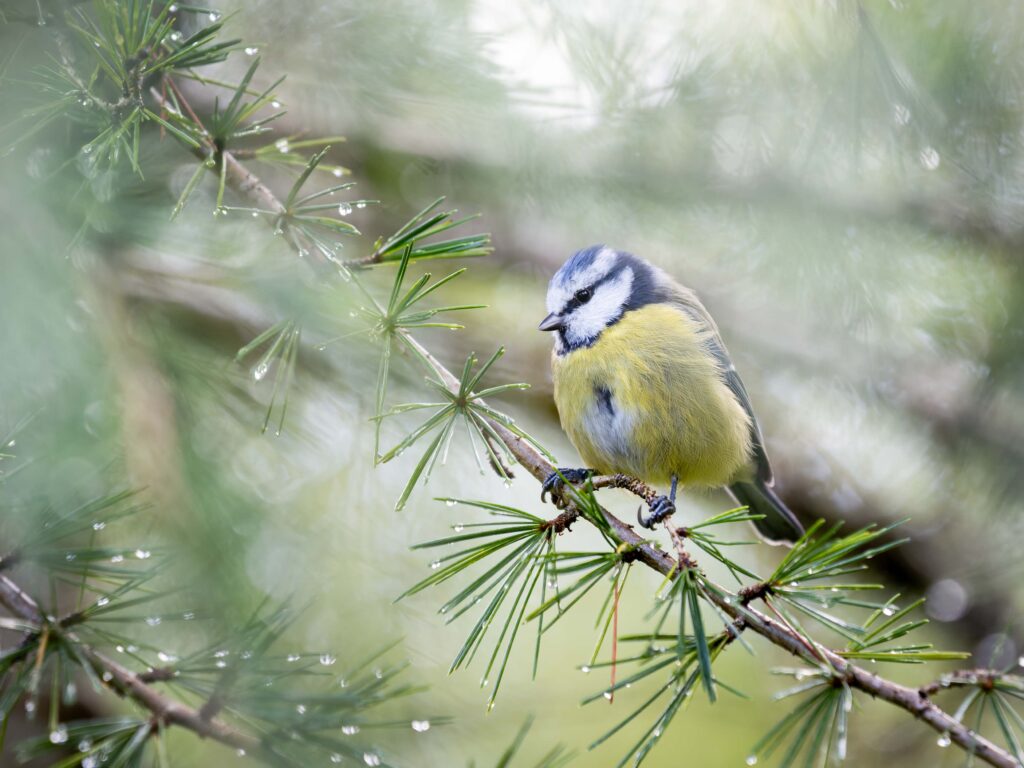
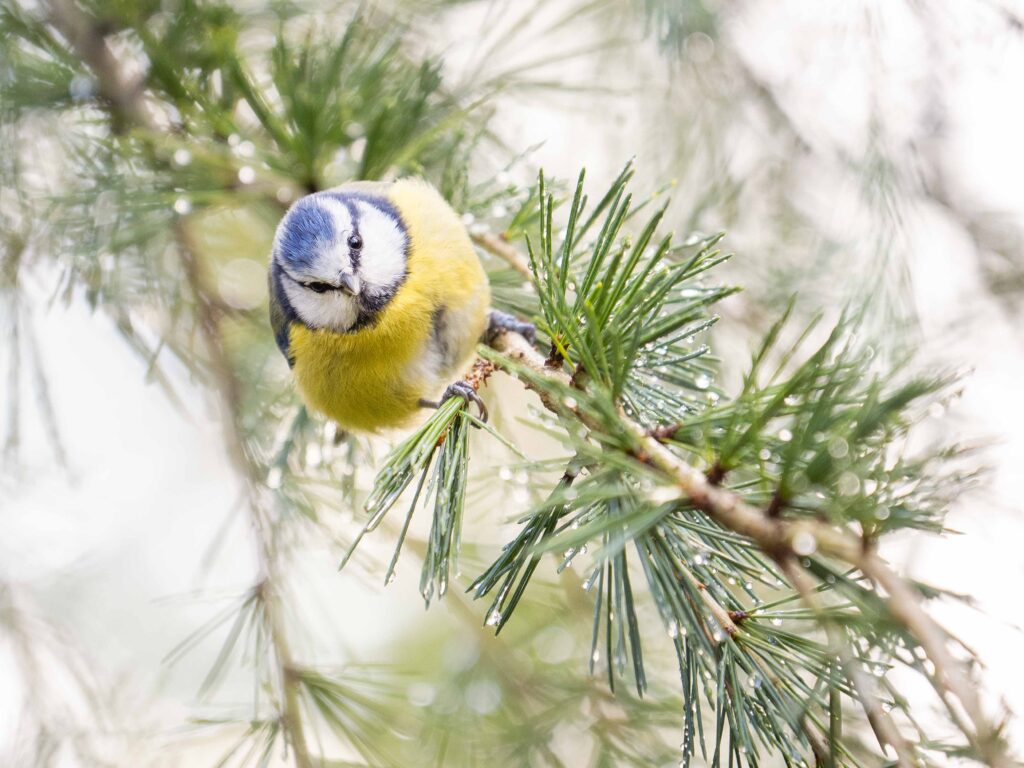
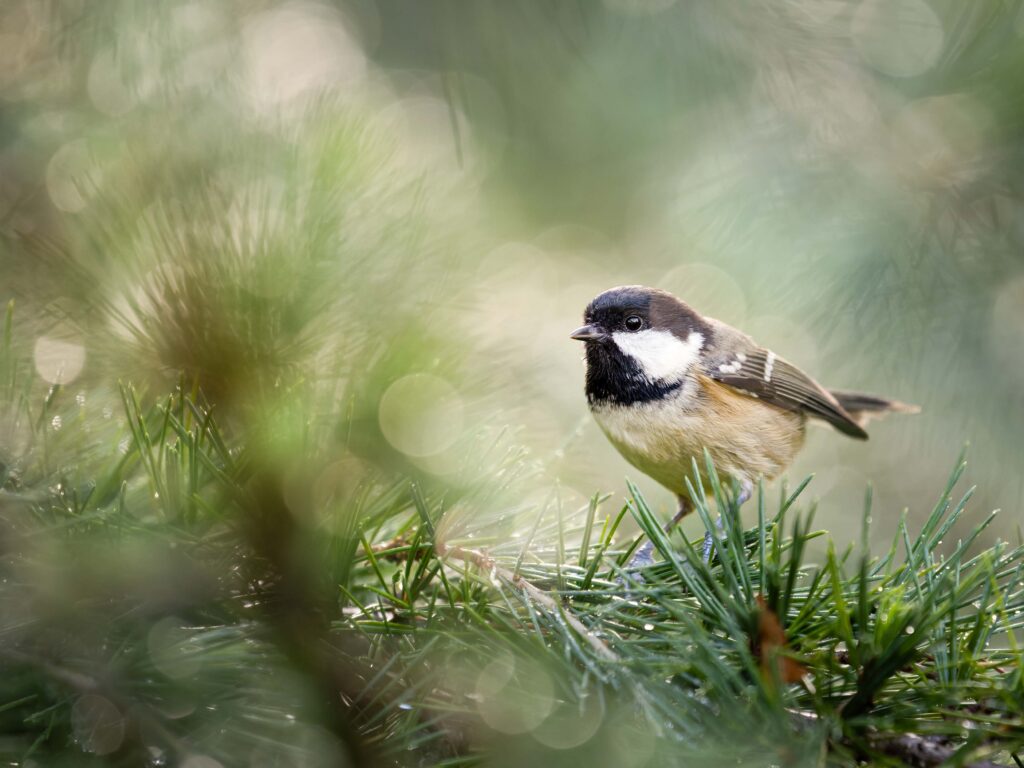
The backlit water droplets really helped to create some of the beautiful bokeh balls in the background.
On another occasion I had a red squirrel in the forest with the background immediately behind it. I was very happy to see in the final image that as I was relatively close to the squirrel, the background was way out of focus and not a distraction in the final image.
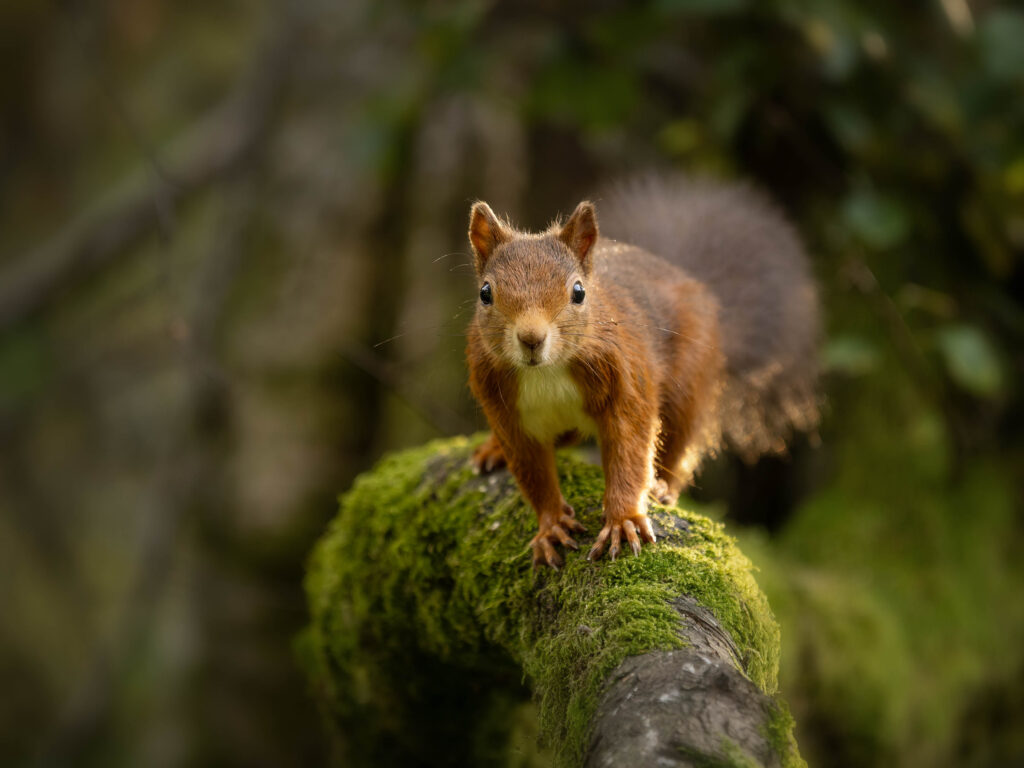
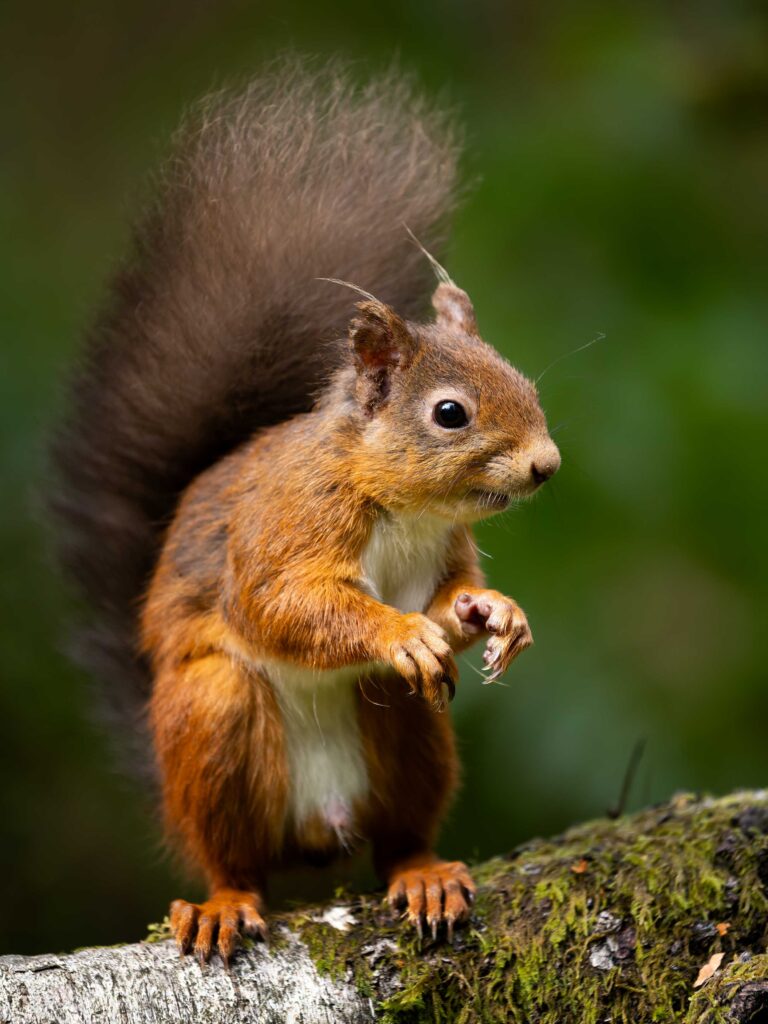
I tried the new lens with the 2x teleconverter for a little while and was positively surprised at how fast it would auto focus, I really thought it would chase a lot more with the teleconverter on it. I did capture on close up of a blue tit with the 2x teleconverter on.
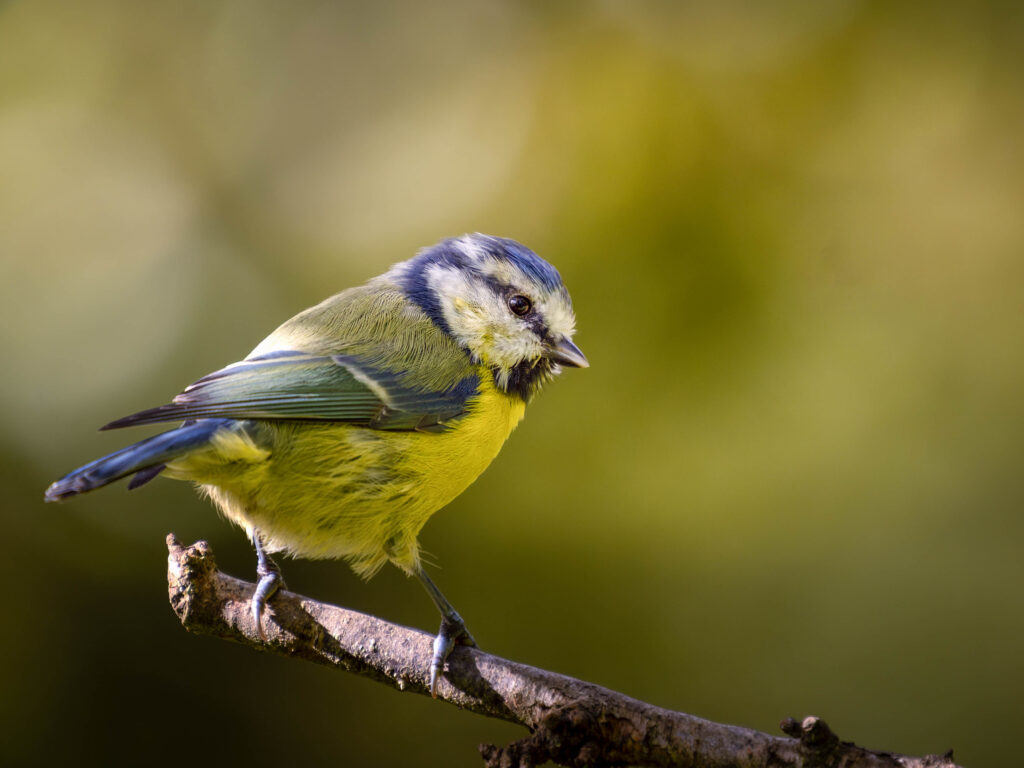
I will be using the lens with both the 1.4 and 2x teleconverters and then I can give some more feedback and images.
In conclusion, the M.Zuiko 50-200mm f/2.8 is an incredibly good lens, it’s fun to use as it’s versatile and great to photograph a variety of subjects with. For me, the most important thing is the aperture of f/2.8 at 200mm (400mm ffe), I will be using this lens a lot for photographing fast subjects such as birds in flight and pro capture. The low light capability of the lens is very welcome when shooting around dawn and dusk and I can’t wait to keep exploring for new subjects with this lens.
What’s your thoughts about the lens? Will you be getting?


Thanks a lot! Very interesting lens and very good review, beautiful close-up shots. I’m going to buy this little white lens. I’d be interested in how it works with 1.4x and 2x teleconverters. Could it replace a 100-400mm/f5-6.3 lens with a 2x teleconverter, for example? Would the sharpness be enough?
Thanks you very much. Testing that now, video and blog post coming soon 🙂
Espen, nice work, greatly appreciated. Tell me if I am nuts. I own the 40-150 and 150-400. Love them both. But…would it be crazy to sell them both and buy 2 of the new 50-200, leave one native, so replaces the 40-150, and put the 2.0 teleconverter on the other to largely replicate the 150-400. Cost of 2x 50-200 equals one 150-400. Weight of 2x 50-200 equals one 150-400. Nuts or interesting please? 🙂
Hi Jay, that’s nuts 😉
The 50-200mm is amazing, but it’s not that consistent with the 2x teleconverter. Best to keep a long telephoto lens when you want the reach, and the 150-400mm is incredible!